Genetically Modified War Dogs Get $200 Million Funding to Replace Imported K-9s
A new venture backed by biotech and defense leaders aims to clone and enhance military working dogs to address a dwindling domestic supply and improve field performance.
By Daniela Vargas ·
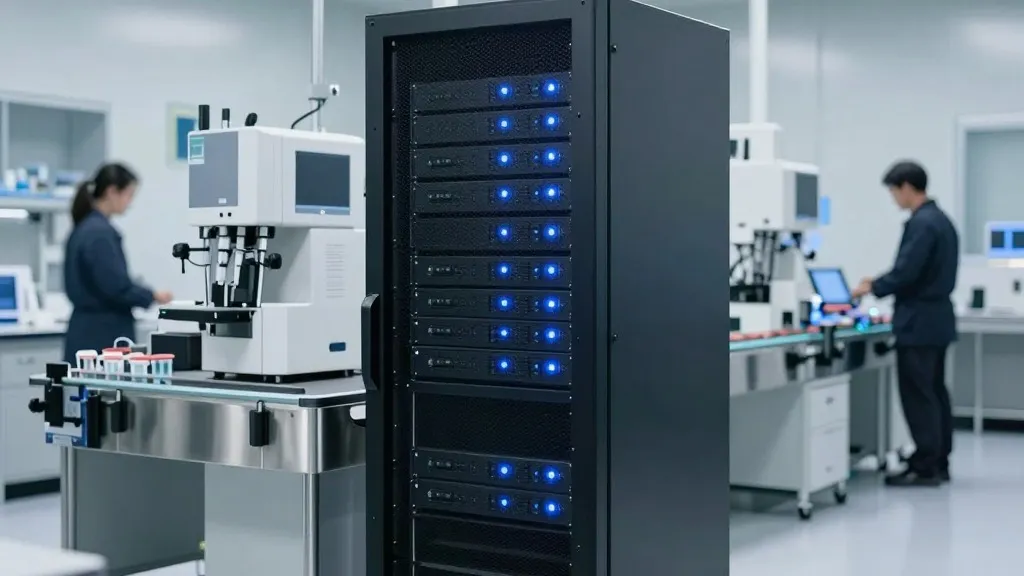
Warhound has officially emerged from stealth with a $200 million funding round, marking the first time a company dedicated to genetically engineering military working dogs has secured such significant capital. The new venture, valued at $1.2 billion, was backed by prominent investors including Sequoia, 8VC, Corner Ventures, and In-Q-Tel, a venture firm supported by U.S. intelligence agencies. This funding is intended to launch a program that combines genetic modification with advanced tactical gear to create a new class of service animals for the U.S. military and law enforcement.
The push for a domestic supply of working dogs is driven by a critical shortage. Currently, over 80% of the U.S. military’s working dogs are sourced from Europe, and fewer than half of those imported animals are fit for duty upon arrival. This reliance on foreign supply chains leaves the U.S. vulnerable and highlights the need for a more robust, locally produced force. Warhound seeks to solve this by engineering dogs with specific traits suited for demanding missions, reducing the dependency on international breeding programs.
The project is a collaboration between Ben Lamm of Colossal Biosciences and Palmer Luckey of Anduril. Lamm explained that he met Luckey about a year ago, where the topic of military dog welfare arose. Lamm subsequently researched breeding practices and found that many dogs fail training due to inherited issues such as poor eyesight, hip dysplasia, or high cancer risks. By studying top-performing breeds like the Belgian Malinois and German Shepherd, the team is creating cell lines in a biobank to edit genes that enhance health, longevity, and specific physical abilities like speed and olfactory sensitivity.
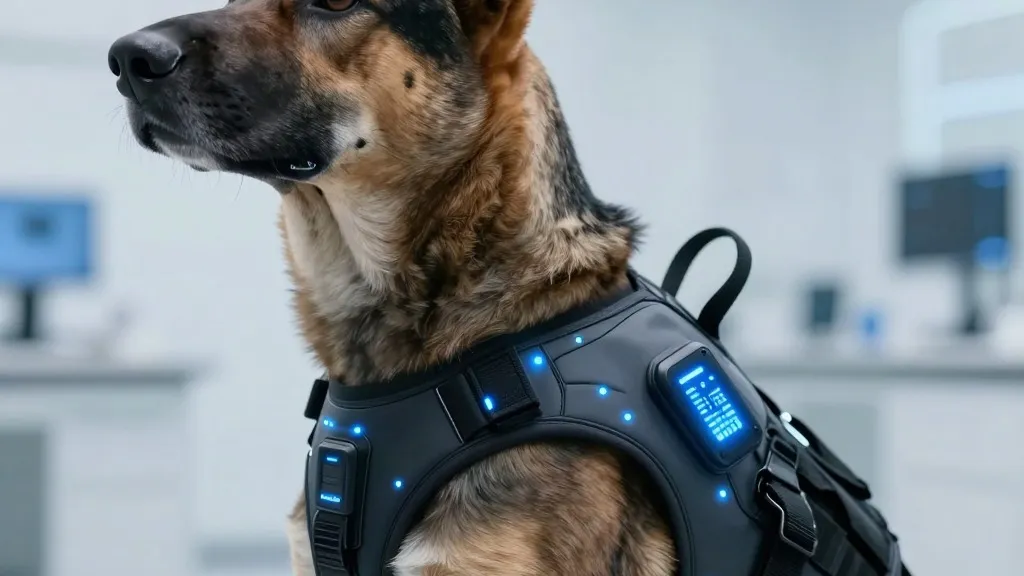
Anduril will provide the technological layer, supplying hardware and software to support the dogs and their handlers. This includes protective vests and goggles equipped with data sensors that relay real-time information to the team, improving situational awareness. Lamm described this as adding enhancements “on top of the dog, not in the dog,” ensuring the animals are safer and more effective in the line of duty. While Luckey is a partner in the venture, he holds no equity; Colossal owns a stake and licenses its gene-editing technology to Warhound.
The first batch of these genetically enhanced dogs is currently being cloned and incubated, with births expected in early 2027. The company hopes to have them in service within two years. Viagen, another entity under the Colossal umbrella, is handling the cloning process, leveraging a technology with a high success rate already used for endangered species. While pricing is not yet set, the target customers include the Department of Defense, police forces, and other first responder groups.
To address concerns about animal welfare, Warhound is working with the American Humane Society to certify its training programs. The Society has expressed support, noting it is pleased to be involved in ensuring the animals are treated humanely. Additionally, the company plans for retired dogs to enter the Society’s reunification program, which finds them homes after their service ends. Lamm noted that the dogs will undergo standard military training and be managed by their respective buyers, ensuring a familiar operational structure despite the biological advancements.
Source: TechCrunch