Tesla Narrows Self-Driving Promise
Unsupervised driving is limited to small Robotaxi zones, not nationwide use.
By News Media House Staff ·
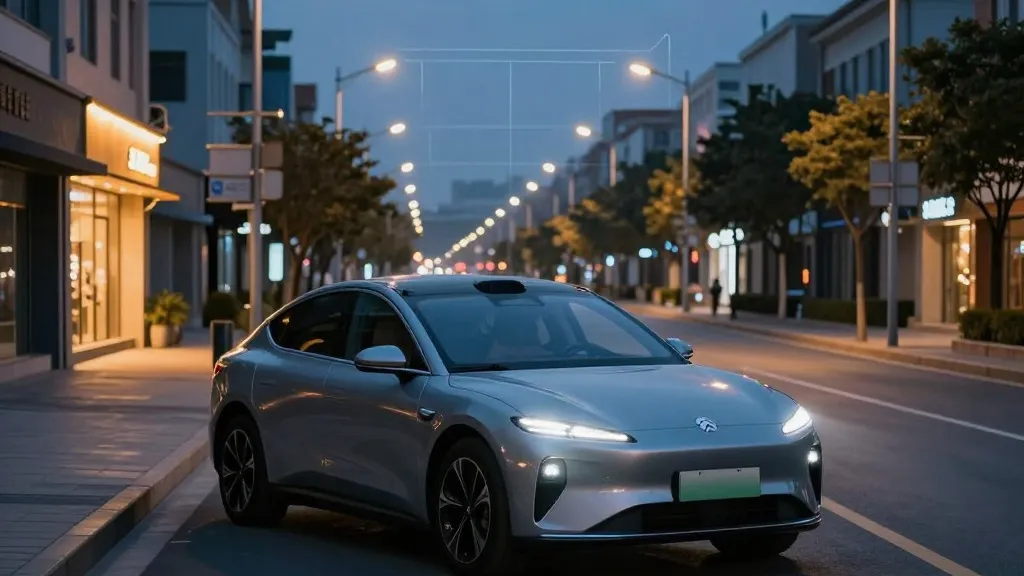
Tesla has long marketed its Full Self-Driving software as a future-proof update that would allow owners to travel anywhere without supervision. The company recently confirmed a new timeline for this capability, though the scope of the rollout is significantly narrower than previous pitches suggested.
During the Q3 2026 earnings call, AI chief Ashok Elluswamy stated that unsupervised FSD for customer-owned vehicles is targeted for the second quarter of 2027. This answer addressed a top-tier retail shareholder question, which carried the weight of approximately 1.1 million shares. The core of the update is not a standalone software patch for private use, but rather an integration of personal vehicles into Tesla’s managed Robotaxi fleet.
This distinction is critical. Elluswamy explained that owners will be able to add their cars to the Robotaxi network, meaning the vehicles will only drive themselves within the specific geofenced areas where Tesla already operates its service. This contrasts with the long-standing promise that a software update would enable a car to drive itself across an entire city or region, allowing owners to sleep or work while the vehicle navigates to any destination.
The current operational footprint of Tesla’s Robotaxi service is limited to six US metropolitan areas. In many of these cities, the serviceable zones cover only small slices of the urban landscape. For example, the Miami zone primarily covers West Miami and a narrow strip extending toward Doral and Sweetwater. Similar small geofences were established in Orlando and Tampa in July. Within these boundaries, the service avoids highways and focuses on low-speed routes, often steering clear of complex traffic environments.
Regulatory and fleet scale issues further complicate the picture. In the Bay Area, the service is not yet unsupervised because California rules require a safety driver in every car until Tesla releases specific data to the DMV, a step the company has delayed. Additionally, while Tesla reported nearly 2 million cumulative unsupervised miles by the end of Q3, third-party tracking indicated that the number of fully driverless Teslas on the road remains in the dozens, far short of the hundreds of thousands previously discussed by CEO Elon Musk.
This new plan raises questions for owners of older hardware, specifically those with HW3 units, who have been told their computers cannot run unsupervised FSD without a clear upgrade path. Musk had previously predicted unsupervised personal use by the end of 2025 in certain geographies. The shift to a fleet-based model represents a significant change in the value proposition sold to customers since 2016.
Elluswamy identified safety as the primary bottleneck for the rollout, estimating that current safety concerns will be resolved by next year, though he acknowledged uncertainty regarding the exact timing. The Q2 2027 date thus reflects a cautious estimate rather than a guaranteed milestone, leaving investors and consumers to weigh the promise of autonomy against the reality of restricted, zone-based operation.
Source: Electrek