Washington Offers New Deal: Partner With the CIA to Escape Inflation
The U.S. State Department is actively recruiting Cuban citizens for intelligence work as economic sanctions tighten and inflation erodes household budgets.
By Xiaoyu Wang ·
For working families on the island, the cost of living has become a primary driver for seeking new opportunities. With basic goods becoming increasingly expensive and medical access shrinking, the U.S. government is now offering a direct channel for those who wish to leave or influence the local economy. This new initiative aims to leverage local dissatisfaction to accelerate economic shifts.
Secretary of State Marco Rubio made the offer public on Friday via a post on X. He stated that the current moment is ideal for those seeking positive change, citing widespread disappointment with broken promises and corruption. He specifically urged readers to seize the opportunity to create the change they desire through a discrete partnership with the Central Intelligence Agency.
The intelligence agency quickly amplified the message by reposting the appeal, including a version written in Spanish. A video accompanying the post provided specific steps for individuals to contact the agency, signaling a structured process for engagement rather than a casual invitation. This move represents a significant step in the administration's broader effort to pressure the current leadership.
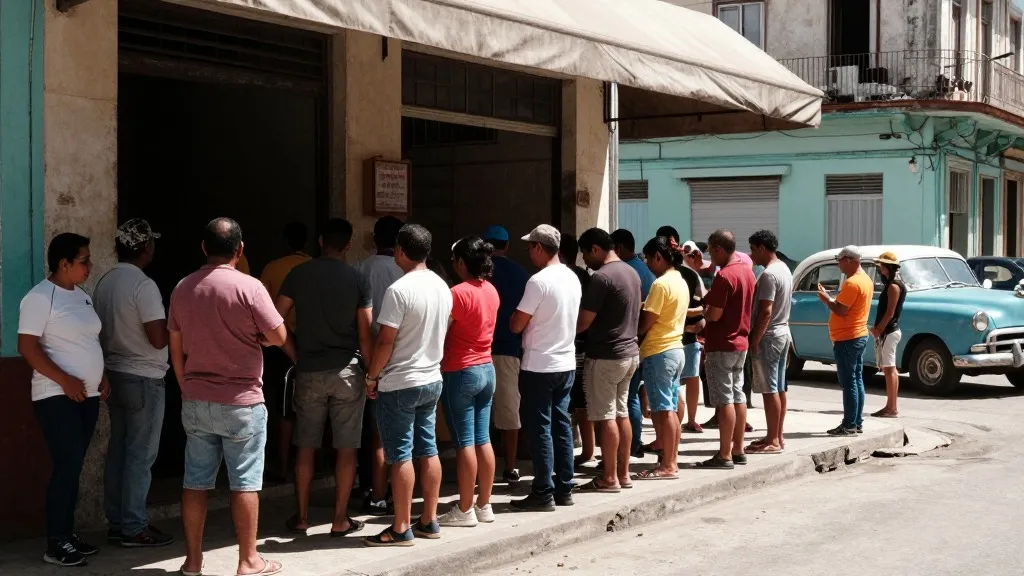
The financial backdrop for this recruitment is severe. Cuba is currently under a strict U.S. embargo and a series of sanctions designed to pressure its communist government. Prices for essential items have risen sharply, and access to medical care has contracted. Reports indicate that citizens are waiting hours in lines for bread, while others queue for doctor appointments, highlighting the tangible impact of these economic pressures on daily life.
Recent policy moves have intensified this economic strain. Last week, Washington announced additional sanctions targeting Cuba's state-run bank, citing its ties to Iran. This decision adds another layer of financial complexity for the island's economy, potentially affecting how goods and services are priced and distributed within the country.
President Trump addressed the situation during a campaign rally in South Florida on Friday. He suggested a naval strategy, stating that U.S. Navy warships deployed near the Strait of Hormuz would pass by the island. He described a scenario where a ship would stop near the coast, prompting the government to raise its hands, at which point Rubio would finalize a deal.
Cuba's government has pushed back against this rhetoric. Foreign Minister Bruno Rodríguez Parrilla responded on X, rejecting threats stemming from U.S. ambitions. He noted that while the coastline is beautiful, it is also rugged and inhospitable to those arriving with hostile intentions and a desire for domination. The situation remains fluid as both sides weigh their next moves.
The coming weeks will determine if this partnership model gains traction. For now, the focus remains on the intersection of economic hardship and diplomatic strategy, with ordinary citizens positioned as key players in the unfolding narrative.
Source: CBS News
More Business · World news · Rip-Off Report · Report a business