Alaska Federal Lands Open To Bear Baiting
New federal regulations permit hunters to use human food to lure bears, replacing a recent ban and sparking legal and economic debate.
By Luis Fernandez ·
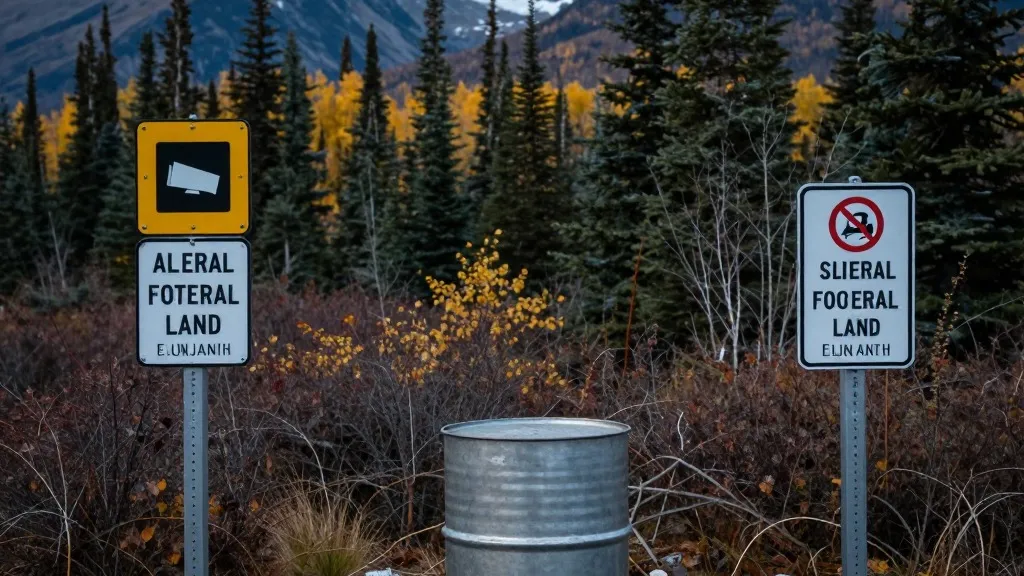
The federal government has officially authorized the use of human food to lure bears on public lands in Alaska, a policy shift that takes effect in mid-November. This rule, published in the Federal Register on Friday, allows hunters to use items like bacon, doughnuts, and meat scraps to attract bears for close-range kills. The move reverses a 2024 regulation that had prohibited the practice, signaling a significant change in how the federal government manages wildlife access on its properties.
The new directive does not specify which foods may be used. Instead, it defers to existing state regulations, which generally permit baiting. According to Nicholas Arrivo, a managing attorney at Animal Protection Law, this regulatory gap often leads hunters to choose the most cost-effective and attractive options. These typically include high-fat and high-sugar items that are cheap to purchase and effective at drawing bears into shooting range.
The economic logic behind the practice is straightforward for those who favor it. Hunters usually place the food in a steel drum or garbage can, maintain a watch over it, and then shoot the animal from a short distance using a blind. This method reduces the difficulty of the hunt by ensuring the target is within striking range. Proponents, including Interior Secretary Doug Burgum, argue that this approach respects local traditions and gives Alaskans a stronger voice in managing the lands and wildlife they know best.
Critics, however, view the rule as a significant departure from standard conservation principles. Drew Robertson, a senior regulatory specialist for Humane World for Animals, described the baiting provision as cruel and dangerous to both wildlife and the public. He noted that the practice is more extreme than traditional hunting methods and that many hunters do not consider it a fair chase. The group expressed dismay that the rule has returned after being previously challenged in court.
The policy change follows a series of recent moves by federal and Alaska officials to permit contested hunting methods. These include shooting bears from helicopters, hunting swimming caribou from motor boats, killing wolf pups in their dens, and using artificial lights to draw bears from shelters. While bear baiting is allowed in about a dozen states, the new federal rule extends this permission to federal lands, which previously required stricter oversight.
The decision stems from an executive order signed by Donald Trump early in his second administration, titled Unleashing Alaska's Extraordinary Resource Potential. Robertson argued that because the order directed the rule to be reissued, the change reflects a political motive rather than careful scientific consideration. This perspective contrasts with the previous administration's reliance on scientific data indicating that baiting makes bears more aggressive, thereby endangering park visitors.
The issue has a long legal history. The Obama administration first imposed a ban, which the first Trump administration reversed. Litigation ultimately upheld the Obama rule and overturned the Trump rule. The Biden administration reinstated the ban in 2024, citing scientific evidence that baiting increases bear aggression. Now, with the new rule in effect, legal experts are questioning whether the reversal was procedurally sound given that the 2024 rule went through a more robust scientific process.
Arrivo rejected the argument that the rule grants appropriate state control, noting that the lands are federal and that Congress created the federal land program to place decision-making power with the federal government. He stated that the approach is contrary to federal land management goals of preserving wildlife diversity. While no lawsuit has been filed yet, the legal community is watching closely to see if the new regulation withstands judicial scrutiny.
The rule takes effect in mid-November, giving hunters and land managers a few weeks to adjust to the new guidelines. The change is expected to influence local economies tied to hunting tourism, as well as the long-term behavior of bear populations on federal lands. As the debate continues, the balance between traditional hunting practices and conservation goals remains a central issue for policymakers and stakeholders in Alaska.
Source: The Guardian
More Business · World news · Rip-Off Report · Report a business