Spain's Midday Meal Tradition Erodes
Economic pressures and shifting schedules threaten the survival of a decades-old Spanish dining custom.
By Noor Haddad ·
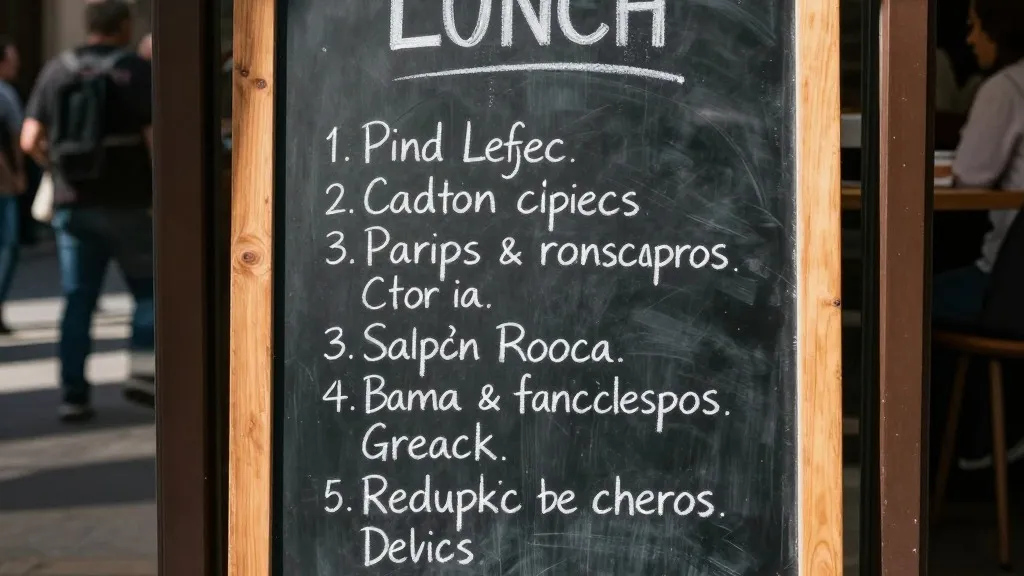
Across Spain, the daily ritual of posting set-price lunch menus on restaurant windows is under threat, with economic pressures and changing habits eroding a tradition that has defined midday dining for more than half a century. While approximately four million of these meals are still served each weekday, the custom is slowly losing ground to faster, cheaper alternatives.
The tradition began in the mid-1960s as a tool of state tourism policy. Under Manuel Fraga, the information and tourism minister during Francisco Franco's rule, the state sought to show foreign visitors that food was plentiful and affordable after the difficult years following the Spanish civil war. Regulations initially required establishments to provide a soup starter, a main course with a side, and a pudding, with fixed prices and a mandated quarter-litre of wine of a specific quality. The offer was later renamed in the early 1970s to encourage ordinary Spaniards to participate rather than solely targeting tourists.
Despite these origins, the meal has become a deeply ingrained part of daily life, though its future is now uncertain. A new book by food journalist Lakshmi Aguirre, titled 'Menú del Día: Everyday Scenes of a First Course, a Second Course and Pudding', examines the history and current challenges facing the meal. Aguirre argues that while the tradition is in trouble, it is not finished, noting that many Spaniards are unaware of its political origins. When mentioning Fraga during her research, she observed that many threw their hands up in shock.
Current pressures include rising energy and food costs, which make it difficult for small, family-run restaurants to maintain a rotating daily choice of meals. The average price now stands at 14.70 euros. Additionally, time-constrained workers often opt for quick lunches, bringing food from home or consuming ready meals. Some establishments have responded by offering a single dish of the day, while others have incorporated Latin American staples to reflect Spain's changing demographics.
Aguirre accepts these changes, stating that the meal has always mirrored the society that consumes it. However, she warns that what is being lost extends beyond a low-cost meal. She describes the setting as a meeting point for families with limited means and a place for those living alone to find company. The true privilege of the meal, she adds, lies not just in being able to pay for it, but in having the time to enjoy it.
Source: The Guardian