Syrian Protests Surge After Israeli Strikes Kill Disabled Man in South
Massive demonstrations erupted across Syria on Friday as citizens demanded an end to Israeli military operations that resulted in the death of a man with a disability in Daraa.
By Ji-eun Choi ·
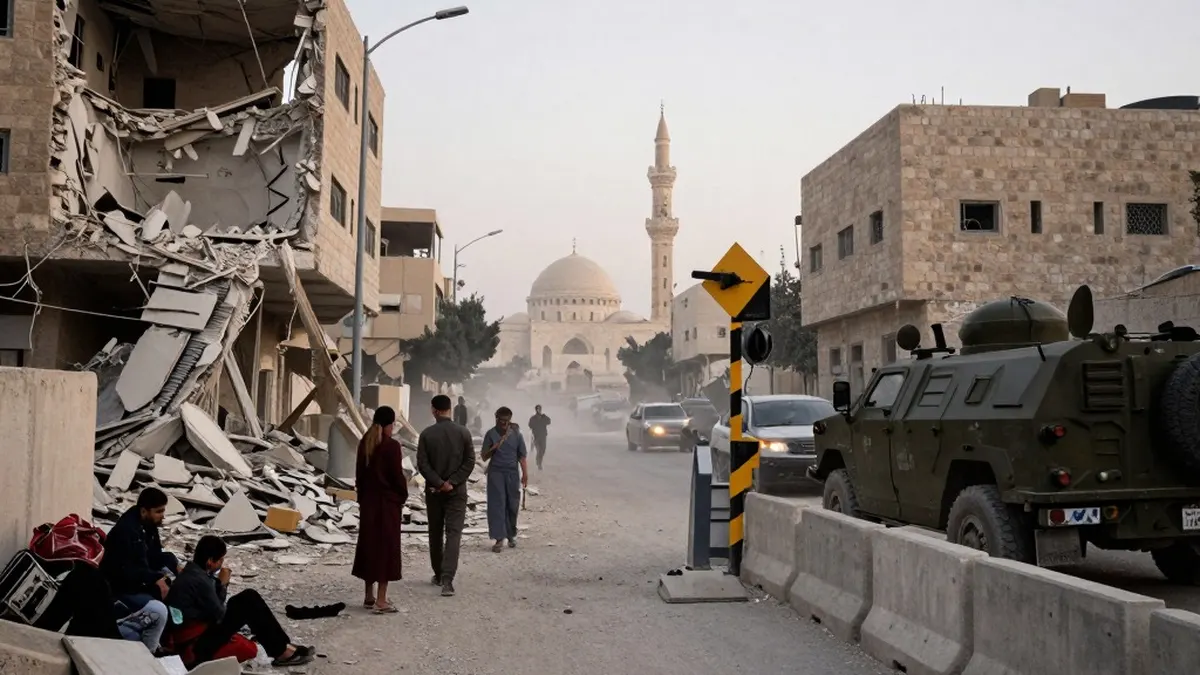
Tension boiled over across Syria on Friday as thousands of citizens took to the streets to confront the growing military presence of Israel in the country's southern border regions. The immediate trigger for the widespread unrest was the killing of a man with a disability during a recent Israeli operation in Daraa province. This loss has galvanized a national response, turning local grief into a coordinated demand for sovereignty and protection from foreign incursions.
The conflict between the new Syrian government and Israeli military objectives has intensified significantly in recent weeks. While the two sides have maintained a fragile status quo since the change in power in Damascus, the latest series of strikes and ground operations has shattered that calm. The death of Moaz, the disabled man killed by Israeli fire earlier this week, became the central symbol of this new phase of confrontation for the protesting public.
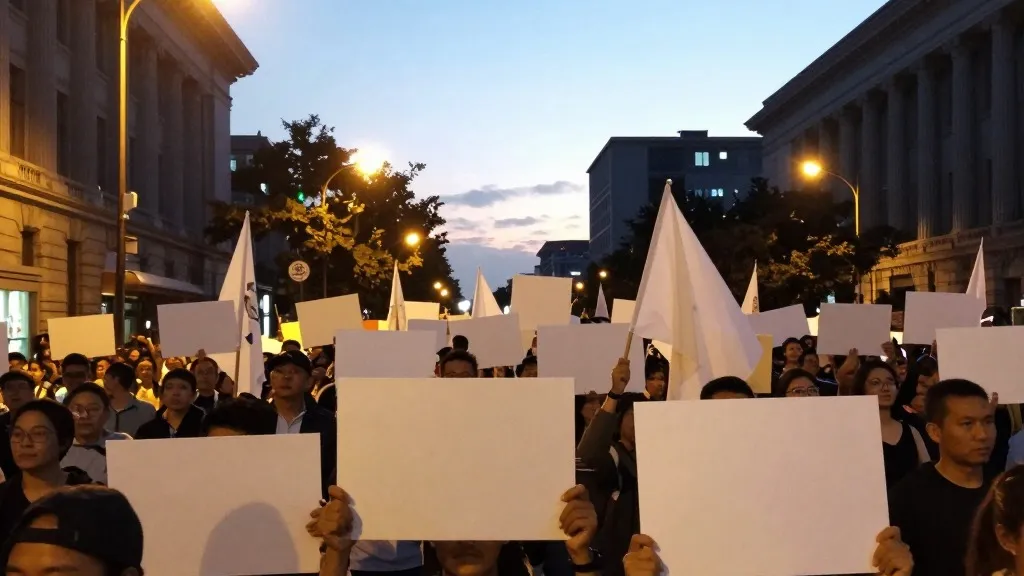
Demonstrations were held in major urban centers, most notably in the capital, Damascus, and the central city of Homs. State media reported large crowds gathering in both locations to voice their opposition to the continued expansion of Israeli forces into the provinces of Quneitra and Daraa. The rallies served as a visible display of public unity, with citizens from different regions joining forces to pressure their government to respond decisively to the border violations.
In the city of Daraa, an AFP correspondent observed hundreds of people participating in the rally. Many participants waved Syrian flags, a powerful visual indicator of national pride and resistance. Taysir al-Hariri, a protester at the scene, explained the motivation behind the turnout. He stated that the crowd had gathered to "send a message to the world" that Syria remains united "against Israeli incursions and against anyone who is tempted to tamper with national security." His words reflected a broader sentiment of vigilance among the population.
The human cost of the incursions was prominently displayed through specific slogans and imagery. Footage from state television showed marchers holding posters with the text "We are all Moaz." This slogan directly referenced the man with special needs who was killed by Israeli forces a day before the Friday rallies. By adopting his name, the protesters personalized the broader military conflict, emphasizing that the incursions are not just strategic maneuvers but events with profound individual consequences for ordinary families.
Another focal point of the demonstrations in Damascus was the exterior of a United Nations building. Here, the family of a Syrian man who was seized by Israeli forces held a separate rally. They demanded his immediate release, a plea that highlighted the detention of civilians as a key grievance. Children in the crowd held up posters reading "I want my dad," adding an emotional weight to the political demands. This aspect of the protest underscored the personal toll of the military operations on those left behind.
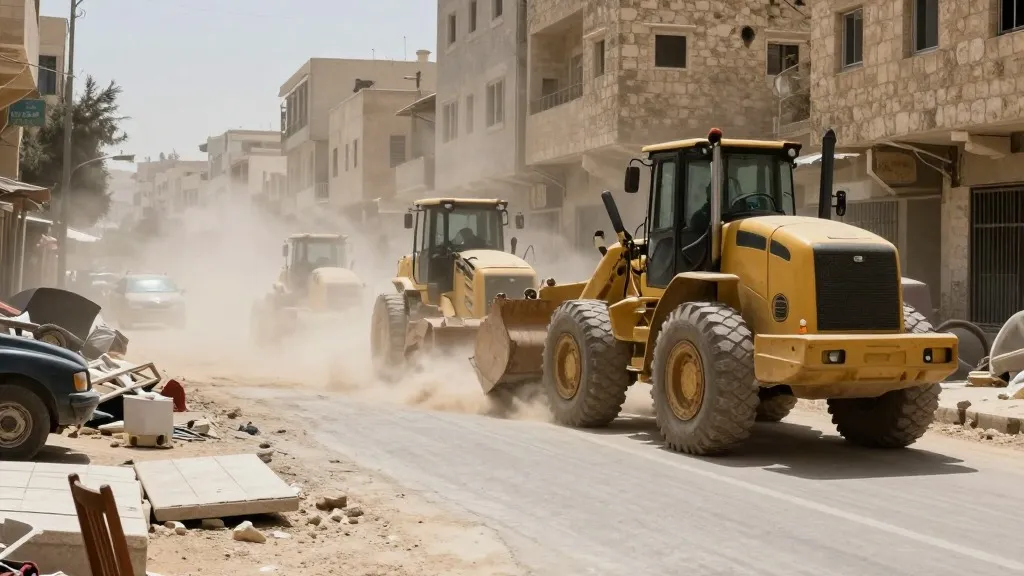
Military developments on the ground continued to escalate alongside the civilian protests. State media reported that Israeli forces advanced into parts of Quneitra province on Friday, effectively blocking several major roads. In the affected areas, troops have been seen bulldozing olive groves, establishing new checkpoints, and detaining local residents. These actions suggest a strategy aimed at reshaping the physical landscape of the border region, further complicating the lives of communities in the south.
The current situation is part of a larger trend that began after the new Syrian government took power in December 2024 following the fall of Bashar al-Assad. Since that transition, the Israeli military has conducted hundreds of strikes within Syrian territory and carried out frequent ground incursions. This pattern of activity indicates a sustained military campaign rather than isolated incidents. The new leadership faces the challenge of managing these incursions while consolidating its domestic authority.
Israel has also expanded its physical footprint by sending troops into a buffer zone previously patrolled by the United Nations. This zone had served as a separation line between Israeli and Syrian forces in the Golan Heights region since 1974. The move signals a shift in the long-standing border dynamics. Israel has publicly vowed to maintain troops in a designated "security zone" in southern Syria. The stated goal is to create a broader demilitarized area, a move that Syria views as a further encroachment on its territorial integrity. As the rallies continue, the pressure on both sides to negotiate a new framework for the southern border appears to be mounting.
Source: Middle East Eye