Tesla Void: Cybertruck Reservations in Australia and New Zealand Officially Cancelled
After nearly seven years of waiting, Tesla has informed Australian and New Zealand reservation holders that their deposits are being refunded and the electric pickup will not be produced for their markets.
By Rafael Ortega ·
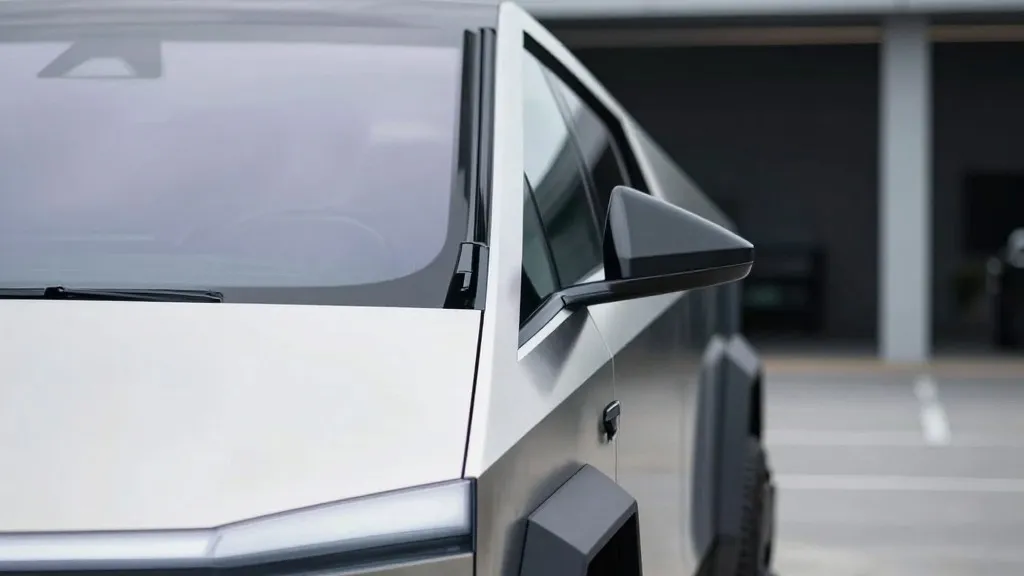
Tesla has officially terminated its Cybertruck plans for Australia and New Zealand, sending emails to reservation holders today to confirm their orders are void and full refunds are being processed. The cancellation ends a nearly seven-year wait for consumers who began reserving the vehicle in November 2019 with a A$150 deposit. In a concise message shared widely on social media and Reddit this morning, the automaker stated that after careful consideration, plans to produce the truck for these specific regions have been discontinued, leaving them unable to fulfill the reservations.
To soften the blow, Tesla is offering a strategic incentive to convert lapsed reservations into sales of vehicles it actually manufactures in right-hand drive. Customers who order a new Model 3 or Model Y will receive a free one-year subscription to Full Self-Driving (Supervised). Refunds for all payments made will be processed within thirty days, effectively closing the book on a product line that has struggled to justify the engineering costs required for international expansion in these two markets.
The decision follows the release of Tesla’s Q3 2026 earnings, highlighting a broader shift in the company’s global strategy. Australia was once considered a significant potential market, with crowdsourced data from 2020 suggesting it held approximately 3% of all global Cybertruck reservations, placing it third behind the United States and Canada. By 2023, total global reservations reached an estimated 2 million units, yet Tesla never confirmed official regional figures, leaving local buyers in a state of prolonged uncertainty.
A critical technical barrier has been the vehicle’s design. The Cybertruck is built exclusively in left-hand drive, while Australia, New Zealand, the UK, and Japan require right-hand drive configurations. Australia additionally mandates certification under its own specific design rules. For a truck already facing demand challenges in North America, re-engineering the platform for just two markets with a combined population of roughly 33 million people has proven financially unappealing for Tesla’s leadership.
Recent sales figures underscore the difficulty of justifying such an investment. In Q3 2026, Tesla delivered only 8,295 units of its "Other Models" category, which is now predominantly Cybertrucks following the end of Model S and Model X production. Estimates place Cybertruck sales at between 7,000 and 8,000 units last quarter, translating to an annual pace of roughly 30,000 vehicles. This is significantly below the 250,000-unit annual capacity of the production line, making a dedicated right-hand-drive program difficult for any CFO to approve.
The cancellation also ends a period of ambiguous communication that began in May 2022, when Tesla quietly closed the Australian reservation page and replaced it with a "Get updates" button without issuing refunds at the time. Although Elon Musk told shareholders in 2024 that certification for other markets might occur "sometime next year," no right-hand-drive version was ever delivered. The truck’s international expansion has so far been limited to left-hand-drive markets, including South Korea, the UAE, and several Middle Eastern nations, while it remains blocked in the EU primarily due to pedestrian safety concerns.
This move confirms the Cybertruck’s status as a niche, predominantly American product. With US sales declining from approximately 39,000 units in 2024 to a fraction of that today, Tesla appears focused on finding buyers for its existing left-hand-drive inventory rather than investing in new market adaptations. For Australian and New Zealand buyers, the seven-year wait has ended with a refund and a choice between waiting for a different vehicle or switching to a Tesla model already available locally.
Source: Electrek